Plain Concreting in South East Melbourne

Slabs, shed bases, garage floors and side paths, poured by our own crew from Pakenham.

Get a free written quote

18 years of experience

Tell us your suburb and what you need poured, and Kobir will come out to measure.

Prefer to talk? Call 0432 155 722

We pour plain concrete slabs, shed bases, garage floors and side paths for homes across Casey, Cardinia and Greater Dandenong.

Every job is done by our own crew from Pakenham. Kobir comes out to measure, checks the ground and the falls, and sends you a written quote before anything is booked.

Concreting locally
18 years
Jobs completed
3,000+
Every quote
In writing
Who pours it
Our own crew
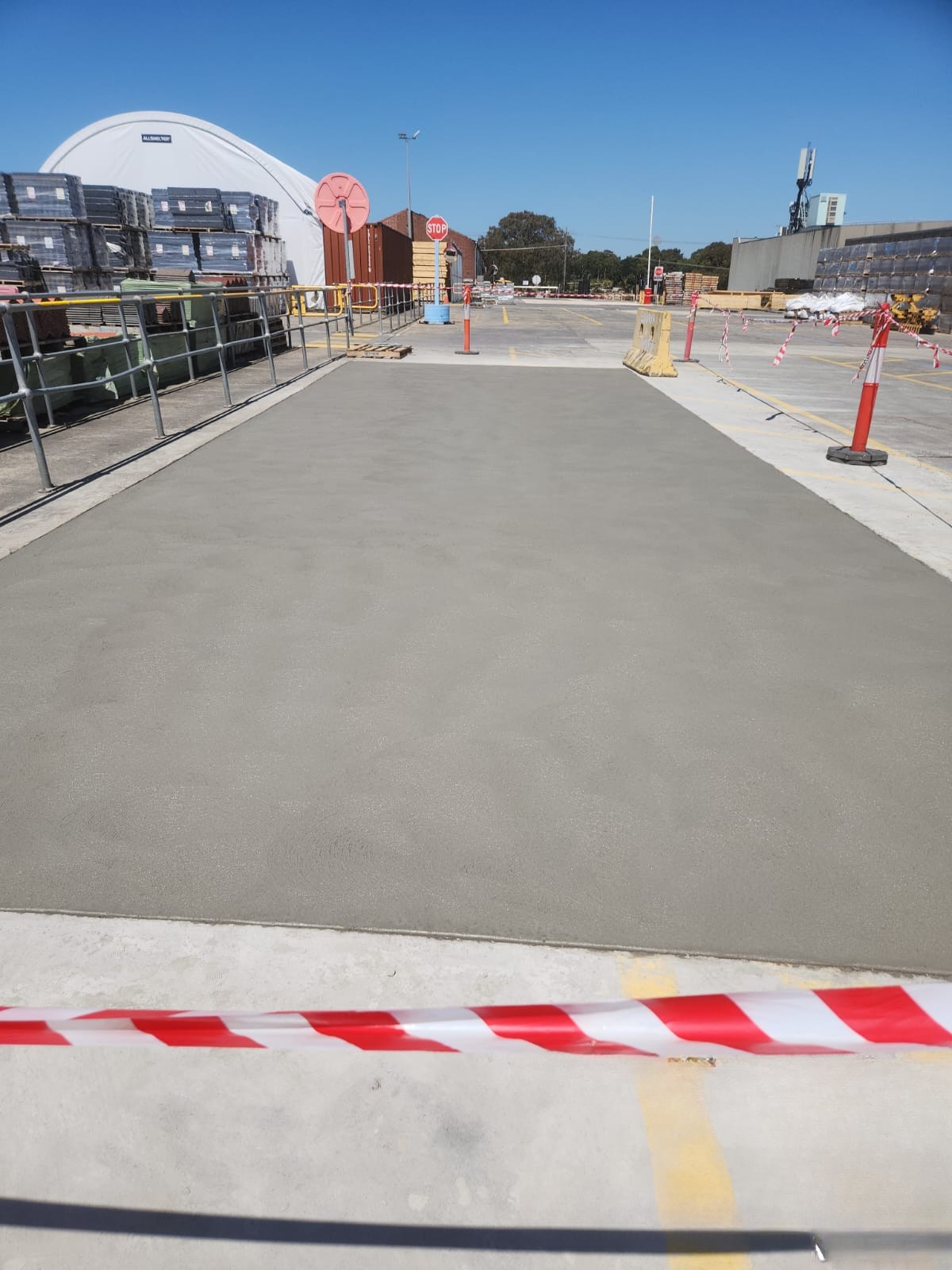
Plain concrete side path with saw-cut joints
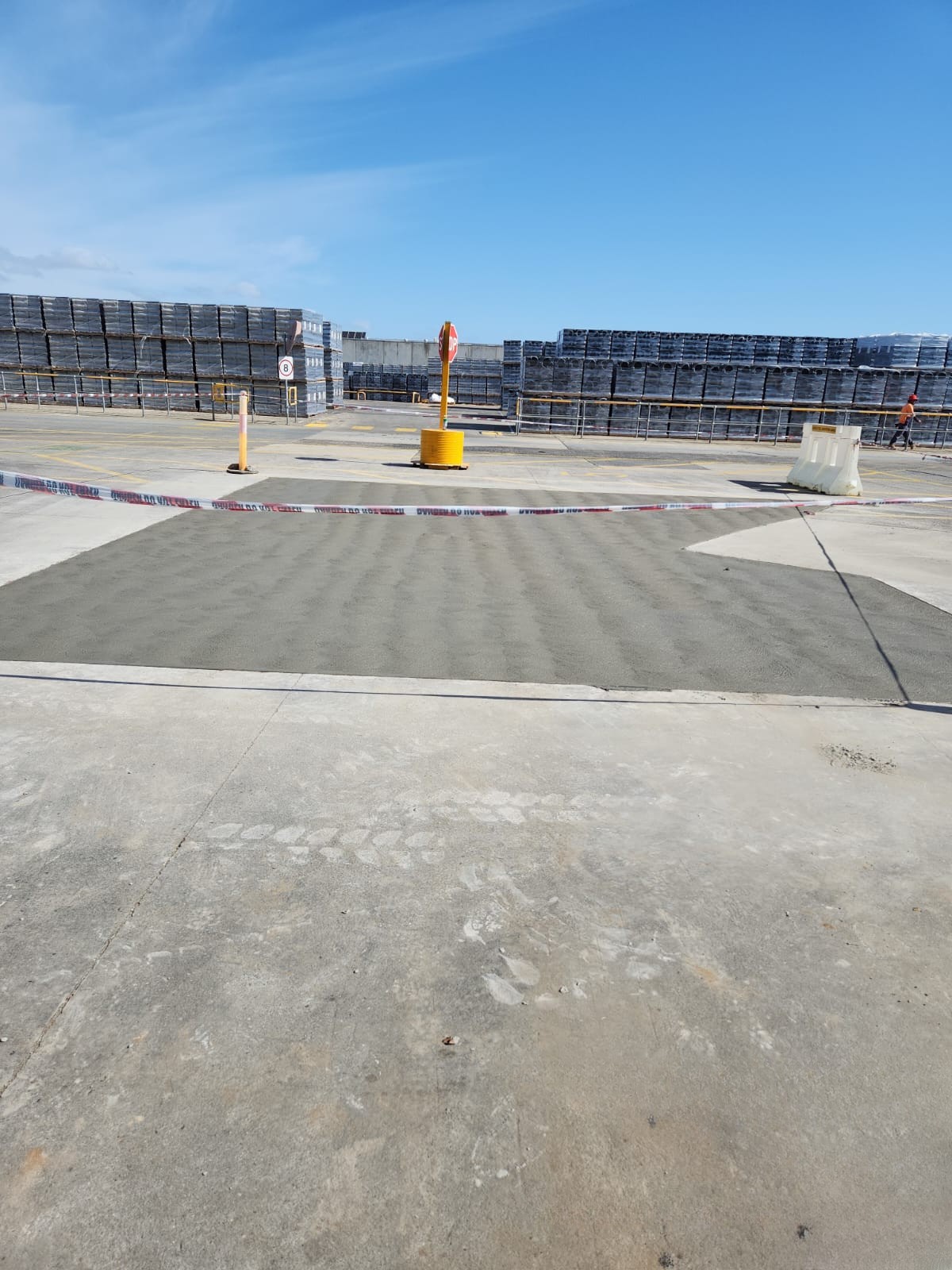
New plain concrete slab with the formwork still set
Plain concrete garage floor slab

Plain Concrete for Everyday Slabs and Paths

It's the right choice where you want a strong, level surface that's easy to sweep and lasts.

  • Established homes: a new shed, a garage floor or a side path.

  • New homes: paths, bin pads and the backyard slab, poured on the same visit as the driveway.

Big jobs and small ones are both welcome, from a double garage floor to a single pad for a water tank.

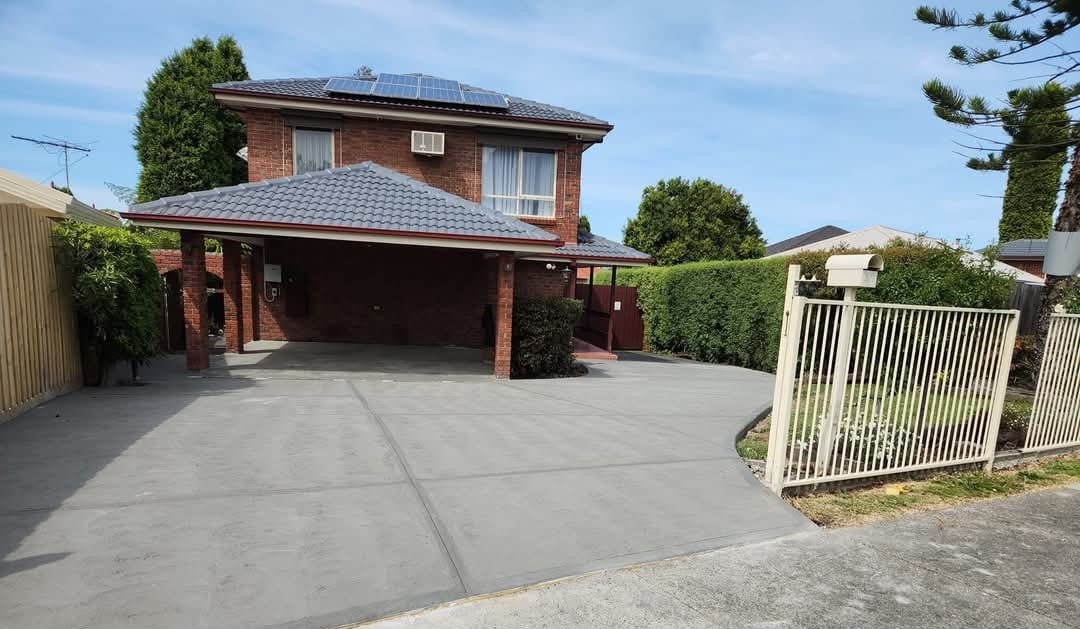
Plain concrete slab at the front of a home

plain concrete

noun

The everyday grey finish: no colour, no stones on show.

What We Pour in Plain Concrete

From a double garage floor to a single tank pad, these are the jobs we pour most often.

Plain concrete slab with formwork on a new estate

Shed and Garage Slabs

A shed slab has to be level, square and the right size for the kit, or the frame won't sit properly. We set the formwork to your shed supplier's slab plan, including any thickened edges or set-downs the frame needs.

Garage and carport slabs are built thicker to take the weight of a car, with a steel-trowel finish inside if you want a smooth floor.

Plain concrete side path with saw-cut joints

Paths and Concrete Around the House

Side paths, bin pads, the strip along the fence and the steps down to the backyard are where plain concrete earns its keep. We fall every path away from the house so water runs off rather than pooling against your walls.

On new homes, these paths are often poured on the same visit as the driveway.

Get a quote for your slabSee recent slabs and paths

Broom, Wood Float or Steel Trowel: Choosing a Finish

The finish is the texture we put on the surface while the concrete is still wet. It decides how the slab looks and how much grip it has when wet.

Broom

Look
Fine lines brushed across the slab
Grip when wet
Good
Best for
Paths, outdoor slabs, ramps, around pools and tanks

Wood float

Look
Even, slightly sandy texture
Grip when wet
Medium
Best for
Outdoor slabs and paths where you want a plainer look

Steel trowel

Look
Smooth and dense
Grip when wet
Low, slippery when wet
Best for
Inside sheds and garages, and under-roof areas

Plain concrete doesn't have to be sealed. A sealer can help a garage or shed floor resist oil stains and makes it easier to sweep. Ask Kobir about it when he quotes.

How Thick Should a Plain Concrete Slab Be?

Thickness is set by what the slab has to carry. As a general guide from Australian industry guidance:

  1. Paths and bin pads (foot traffic only)

    75–100 mm

    Thicker where a wheelie bin or trolley rolls over it every day

  2. Garden shed slab

    About 100 mm

    Follow the shed supplier's slab plan, which may call for thickened edges

  3. Garage, carport or driveway (cars under 3 tonnes)

    100 mm minimum

    Thicker on soft or wet ground

  4. Caravans, boats, trucks (3–10 tonnes)

    150 mm minimum

    Even if the heavy vehicle only parks there occasionally

Steel mesh holds shrinkage cracks tight, but it doesn't make a slab carry more weight. Thickness and a well-compacted base do that. We confirm the thickness and steel for your job on the written quote.

How We Build a Plain Concrete Slab That Lasts

Six steps from the first measure to a slab you can use.

  1. Measure and quote

    Kobir visits, measures, checks levels, drainage and access, and sends a written quote.

  2. Dig out and base

    We remove soil, grass or old concrete, then lay and compact a crushed rock base so the slab won't sink.

  3. Formwork, falls and steel

    Timber forms set the shape and height, with a fall built in so water drains away. Mesh goes in on bar chairs so it sits inside the slab, not on the ground.

  4. Pour and finish

    We place and screed the concrete, then apply the finish you chose.

  5. Saw-cut control joints

    We cut joints after 48 hours, or about a week in winter, so any shrinkage cracks run along the cuts, not across your slab.

  6. Cure

    You can walk on it after a day or two. Keep cars off for 7–14 days while the concrete gains strength.

Start with step 1

Plain, Coloured or Exposed Aggregate?

  • Plain concrete

    Suits sheds, garages, side paths and anywhere practical matters more than looks.

  • Coloured concrete

    Has colour mixed through the slab. It suits paths and areas that are on show.

  • Exposed aggregate

    Shows the stones on the surface. It has the most grip and hides dirt well, so it's popular for driveways and pool surrounds.

Many homes mix them: plain concrete for the shed and side paths, exposed aggregate out the front. We can quote both in one visit. For the full range, see our page on concreting in South East Melbourne.

Plain Concreting Across South East Melbourne

We pour plain concrete across three council areas, all within an hour of our Pakenham base.

Don't see your suburb? Call us on 0432 155 722. If we can reach it from Pakenham, we'll quote it.

City of Casey

Cardinia Shire

  • Pakenham
  • Officer
  • Beaconsfield
  • Nar Nar Goon
  • Koo Wee Rup

Greater Dandenong and nearby

Plain Concreting FAQs

Straight answers to the questions we hear most about slabs, paths and pads.

How thick should a shed slab be?

Most garden shed slabs are about 100 mm thick. Your shed supplier's slab plan sets the exact size and any thickened edges, so send it with your quote request and we'll pour to it.

Do I need a permit for a shed slab?

If your shed needs a building permit, you or your shed supplier arrange it. We pour the slab to the design on the permit. Your council or a building surveyor can tell you if your shed needs one.

Do I need steel mesh in a plain concrete slab?

For slabs, yes. Mesh holds shrinkage cracks tight so they don't open up or step. It doesn't add load capacity; thickness and a compacted base do that.

Which finish is best for a path?

A broom finish, because the fine ridges give grip when the path is wet. Steel-trowel finishes are best kept for undercover floors like sheds and garages.

Will plain concrete crack?

All concrete shrinks as it dries, so some fine cracking is normal. We saw-cut control joints so it happens along the cuts. A compacted base and properly placed mesh keep cracks tight.

How long before I can use my new slab?

You can walk on it after a day or two. Keep cars off for 7–14 days, depending on the weather, and don't put up a shed until the concrete has hardened.

Can you remove my old concrete first?

Yes. We break out, remove and dispose of old slabs and paths as part of the job, so you don't need a separate demolition contractor.

Do you take on small jobs?

Yes. Tank bases, AC pads, bin pads and short paths are all welcome. Mention any other work you're planning, and we can often do it in the same visit.

Book a Free Measure and Written Quote

Tell us your suburb and what you need poured. Kobir will come out to measure and send a written quote.

  1. Send the form or callTell us your suburb and what you need poured.
  2. Kobir measures on siteHe checks the ground, the falls and the access.
  3. You get a written quoteThickness, steel and finish, all in writing.